




Welcome to our comprehensive medical center, where a blend of compassion and innovation underpins our therapeutic practices. At Moodist Psychiatry and Neurology Hospital, we are committed to promoting health throughout life, offering a sanctuary for children, adolescents, adults, couples, and families seeking psychological assistance and support.
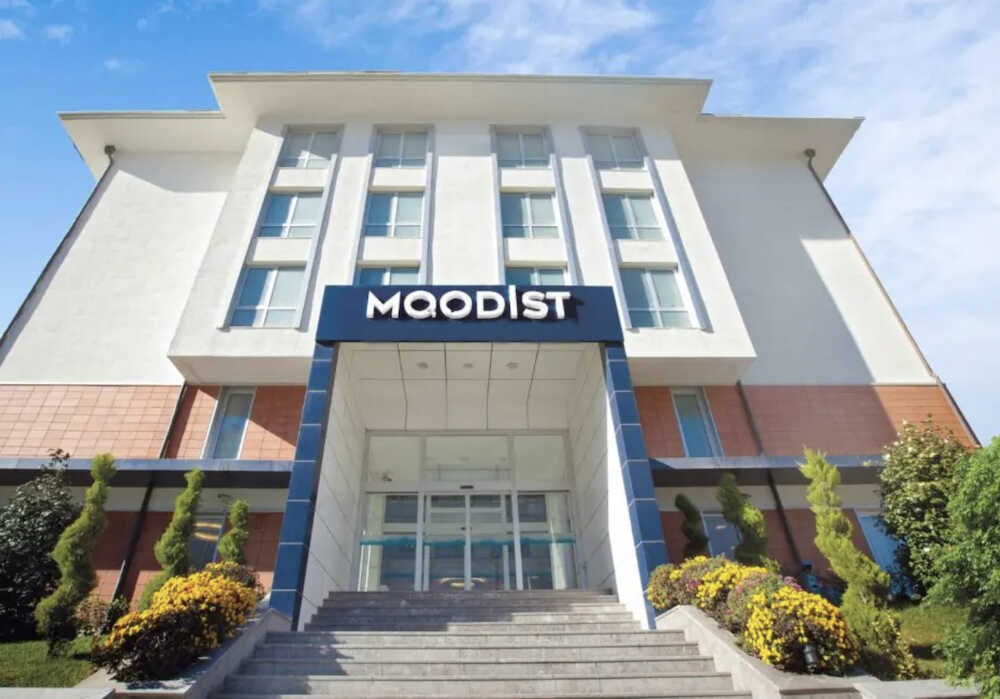
Our Psychological Center is a beacon of hope where a team of clinical psychologists, each an expert in their specialized field, employs a range of internationally recognized therapeutic approaches.
We are well-versed in the transformative power of Cognitive Behavioral Therapy (CBT), healing journeys facilitated by EMDR, mindfulness methods, and reflective pathways of Schema Therapy, among others. Our comprehensive spectrum of treatments also includes Psychodynamic Therapy, Motivational Therapy, Psychodrama, Sexual Therapies, and Interpersonal Relationship Psychotherapy, all tailored to nourish the mind and soul.
For those struggling with the chains of addiction, our Addiction Treatment Center (AMATEM) offers a haven of rehabilitation where humanistic principles meet ethical and scientific methods. Holding an AMATEM license from the Ministry of Health of the Republic of Turkey, we stand as a pillar of strength and resolve on your path to regaining control.
Embodying a commitment to scientific excellence and humanity, Moodist stands out in Turkey with its innovative materials and psychiatric technologies. Our clinical expertise is backed by individual treatment programs such as the Independent Generation Program, the Internet Addiction Treatment Program, and the Gambling Addiction Treatment Program—all testament to our dedication to healing and patient-centered care.
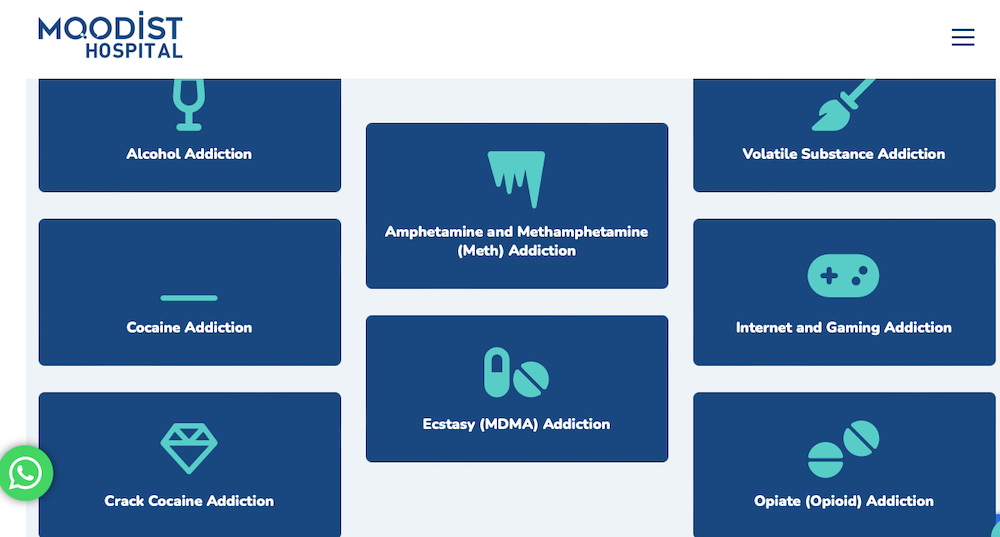
In our center, patients can address the following mental health issues:
A condition in which the consumption of alcohol or drugs becomes a central element of a person's life, leading to serious social, financial, and health problems.
Describes an uncontrollable need for gambling, despite the negative consequences for personal life, work, or financial status.
Characterized by a constant pursuit of new, intense experiences and risks, which may include extreme sports or other activities associated with a high level of danger.
Involves excessive use of the internet and gaming platforms, which interferes with daily life, work, and interpersonal relationships.
A condition where sexual thoughts, desires, or actions become the primary way of coping with stress, anxiety, or other emotional problems, often leading to negative consequences.
These disorders are characterized by a distorted body image and an unhealthy relationship with food, which can lead to life-threatening physical conditions and serious psychological problems.
PTSD occurs after experiencing or witnessing extremely traumatic events. This disorder causes people to relive the trauma over and over again through sudden memories or dreams, causing severe anxiety or physical reactions. Acute Stress Disorder: This is a short-term form of PTSD that develops immediately after experiencing a traumatic event. Symptoms include reliving the trauma, emotional numbness, detachment, and increased anxiety, usually disappearing within a month.
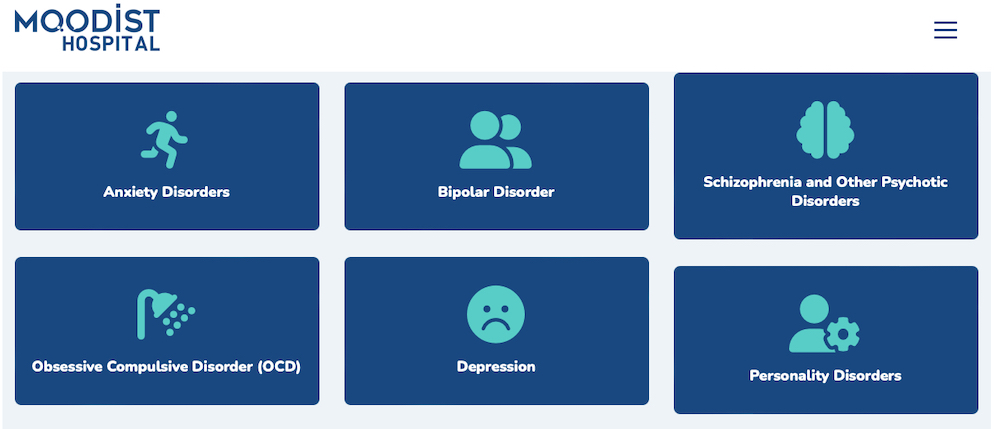
This is a general term for conditions characterized by excessive worry and fear that can interfere with daily life. It may include frequent and intense panic attacks, fear of specific objects or situations (phobias), or feelings of tension and anxiety in social situations.
A common condition that affects mood and overall perception of life. People with depression may experience sadness, loss of interest in usual activities, changes in appetite and sleep, as well as fatigue.
Include difficulties with falling asleep, maintaining sleep, or waking up prematurely. This can lead to daytime fatigue, reduced energy, and problems with concentration.
Can occur in both men and women and is usually associated with psychological factors such as stress or anxiety. This condition is characterized by difficulties in achieving or maintaining an erection in men or sexual arousal in women.
These disorders describe various types of enduring psychological patterns that significantly deviate from cultural expectations, can lead to personal and interpersonal problems, and often cause significant stress or functional impairments.
This is a broad category of mental illnesses that include chronic stress, nervous disorders, and somatic complaints without obvious physical causes, often leading to reduced quality of life and impaired social adaptation.

This mental condition involves extreme mood swings ranging from manic (or hypomanic) to depressive episodes. These mood fluctuations can significantly impact behavior, energy levels, and the ability to perform daily tasks.
A condition characterized by problems with maintaining attention, impulsivity, and in some cases, excessive activity. It affects learning, work, and interpersonal relationships, often accompanied by other mental disorders.
These include a wide range of symptoms such as amnesia, a feeling of detachment from one's self or the surrounding world. These disorders are often a defensive reaction to stress or trauma.
Characterized by the emergence of obsessive thoughts and repetitive, compulsive actions that a person feels compelled to perform. OCD can seriously interfere with daily life and interpersonal relationships.
These disorders are characterized by physical symptoms that have no detectable medical cause. The symptoms can be very real to the patient, although they originate from psychological factors.
Include disorders in which a person may experience hallucinations, delusional beliefs, or distorted thinking. These symptoms can seriously impair a person's ability to perceive reality, affecting behavior and the ability to function in society.

High qualifications in our field, supported by therapeutic software developed by MOODIST, ensure that our hospital is synonymous with programs that pave the way to well-being and autonomy.
Join us at Moodist, where your psychological journey is respected, your struggles are met with understanding, and your progress is acknowledged.


Let us know, and we will help you find best solution


the service works from9:00 to 21:00no break and weekend

