




Welcome to our Neurology Center, where the complex mechanism of the human nervous system is the subject of our study and specialization. Neurology is a distinct branch of medicine that deals with the research, diagnosis, and treatment of diseases related to the spinal canal, peripheral nervous system, and body muscles. In our center, the health of the nervous system is a top priority. Our body is a masterpiece of biological engineering, where the brain, spinal cord, and nerves form a control center, disruptions in which can affect the very essence of our existence. Neurological diseases can affect all body systems and cause numerous problems due to abnormalities in the electrical structure of the brain, spinal cord, or nerves. Examples of such problems include:
Headaches can vary in intensity and be caused by numerous factors, including stress, dehydration, or underlying medical conditions. They are classified into different types, such as tension headaches, cluster headaches, and migraines, each with its own set of symptoms and triggers.
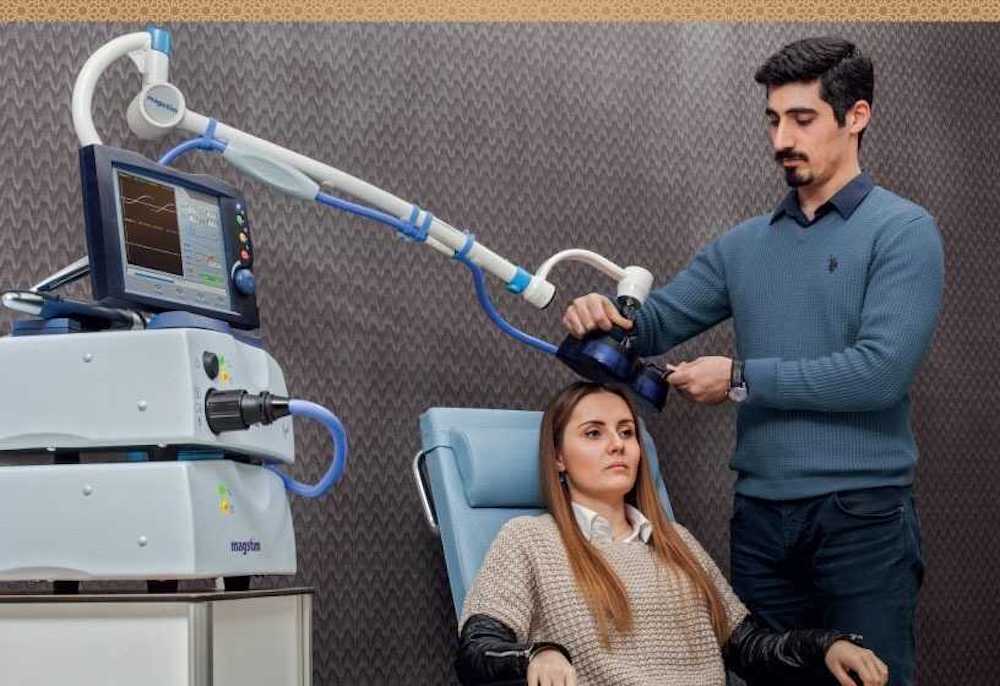
Migraine is a type of headache characterized by intense, throbbing pain, usually on one side of the head. It is accompanied by nausea, vomiting, and sensitivity to light and sound. Migraines can last several hours or days and significantly impact daily life.

Dizziness is a general term describing sensations such as feeling faint, weak, or unsteady. It is not a disease in itself, but rather a symptom of various underlying conditions. It can be caused by problems in the inner ear, neurological disorders, or other medical conditions.
Sleep disorders, including sleep apnea syndrome, rapid eye movement sleep behavior disorder, and restless legs syndrome, disrupt normal sleep patterns, leading to daytime fatigue and other health problems. They can significantly affect the quality of life and may require specific treatment depending on the disorder.
Epilepsies are neurological disorders characterized by recurring, unprovoked seizures. These seizures are sudden surges of electrical activity in the brain that can affect movement, behavior, sensations, or consciousness. Management and treatment vary depending on the type and frequency of seizures.
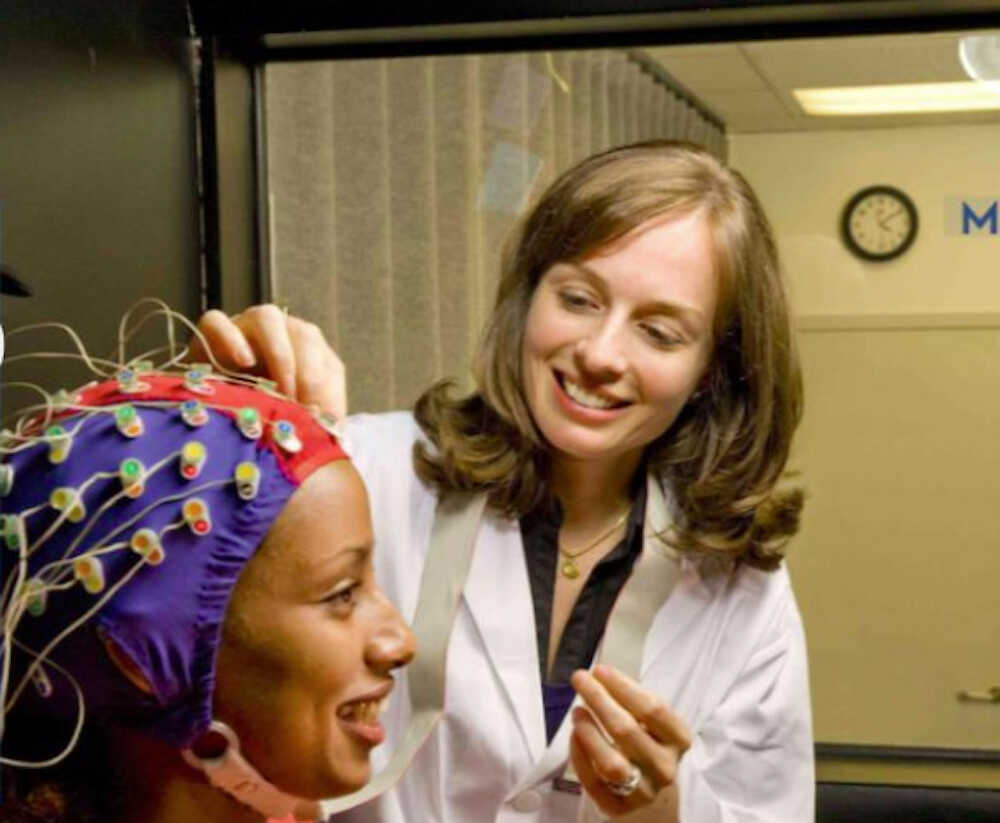
Parkinson's disease is a progressive neurological disorder that affects movement. Symptoms begin gradually, sometimes starting with barely noticeable tremors in just one hand. It also typically causes stiffness or a slowing of movement.
Alzheimer's disease is the most common cause of dementia, a general term for the loss of memory and other cognitive abilities serious enough to interfere with daily life. Alzheimer's is characterized by the degradation of brain cells, leading to memory loss, changes in thinking, and behavior.
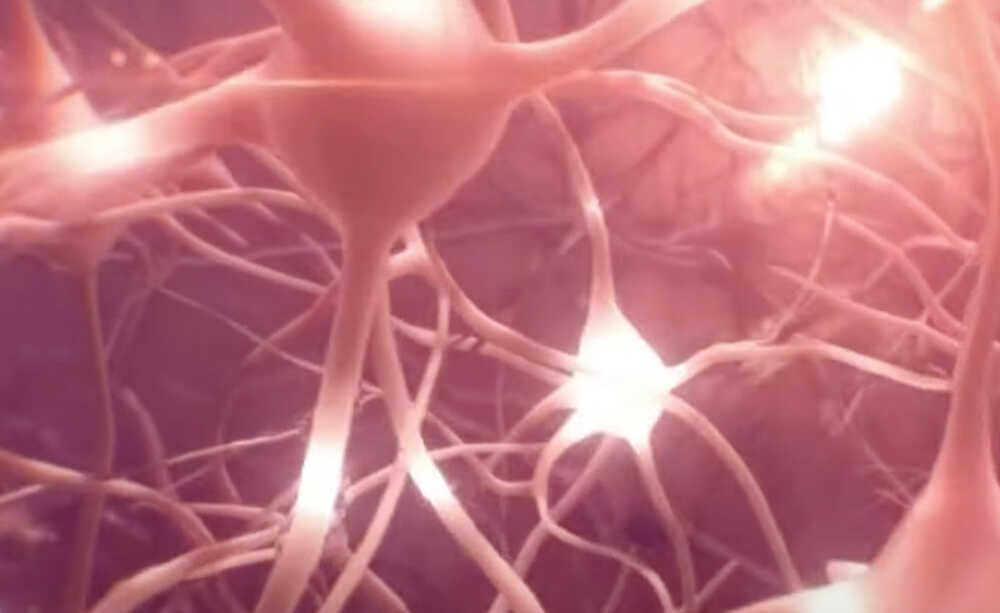
Our approach is comprehensive and filled with compassion, aimed not only at alleviating symptoms but also at understanding and treating the underlying causes of diseases. We commit to guiding you through the complexities of neurological conditions with professionalism, advanced diagnostic methods, and a personalized recovery path. Welcome to a place where healing and hope reign, and patient care is our most important mission.


Let us know, and we will help you find best solution


the service works from9:00 to 21:00no break and weekend

