This is an operation to replace the heart valve with an artificial one, which can continue to allow the heart to work. This is done with stenosis.
The best thing that medicine came up with in this case is to replace the affected valve with an artificial one, that is, prosthetics. There are people who have lived with such a valve for 40 years. Aortic valve replacement and mitral valve replacement are technically difficult surgical cardiological operations.
- mechanical prostheses of heart valves are made of carbon, metal, synthetic materials and are considered the most reliable. But the installation of such a prosthesis requires constant use of drugs that reduce blood viscosity (prevent thrombosis).
- biological valve prostheses - made of human (donor) or animal tissue.
Distinguish:
- frame (plastic or metal frame is covered with biological tissue);
- frameless (similar to a natural heart valve).
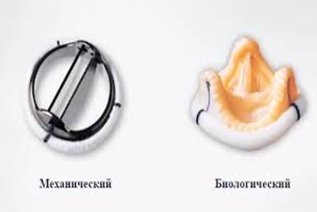
The choice of a prosthetic heart valve occurs even before surgery during diagnosis. It depends on factors such as the patient’s age, lifestyle, and specific heart disease.
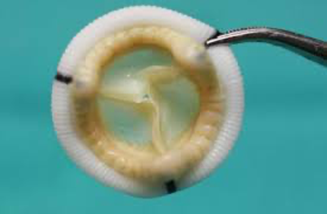
The operation "valve replacement in the heart" is performed under general anesthesia and can last from 3 hours. The heart surgeon opens the chest, the heart connects to the cardiopulmonary bypass system. Next, the doctor removes the affected valve and installs a prosthesis in its place, turns off the artificial blood circulation and closes the chest.
The problem is that aortic valve replacement is often needed by older people suffering from complex comorbidities, and their body is simply not able to withstand such an operation. Even 20 years ago, such patients were simply doomed. But at the end of the past - the beginning of our century, a new technology was developed that allows you to implant an artificial valve without cutting the chest and stopping the heart.
In such operations, a special design prosthesis is used. In a compressed form, it is compact enough to pass through the vessels to the heart and get to the place where it needs to be installed. There it expands to the working size and begins to perform those functions that the native valve can no longer perform. The technology is called TAVI (transcatheter aortic valve implantation - transcatheter aortic valve implantation).
The important thing is that both methods are good for those cases when open heart surgery is impossible or too risky.
Such technologies are now common in Europe and North America. In Ukraine, the TAVI operation is extremely rare - there were isolated cases in 2012, although according to theoretical calculations, up to 14,000 people may need such heart surgery.
In practice, the only possible option for TAVI for a Ukrainian patient is to go abroad for treatment. For example, in Spanish clinics, Quironsalud clinic, where heart valve replacement operations are performed using these technologies. In these cases, the patient does not require general anesthesia. Just local anesthesia is enough. https://polymedex.org/en/clinic/klinika-quironsalud
Take care of yourself and be healthy!


the service works from9:00 to 21:00no break and weekend


