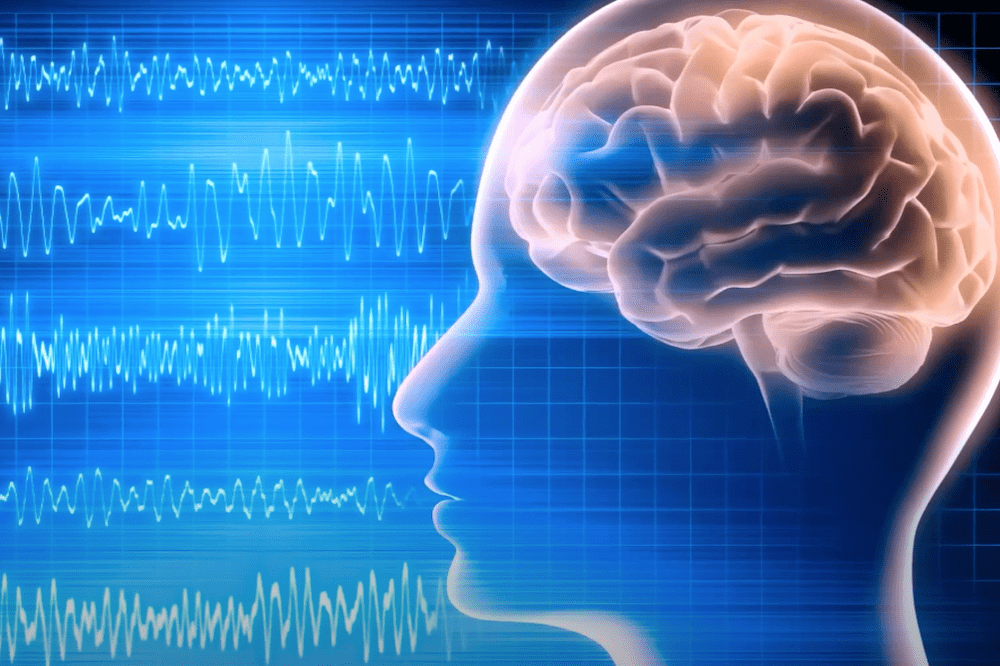
Epilepsy is a fairly common and serious neurological disease that affects the brain and nervous system, and is characterized by the presence of seizures.
The pathogenesis of the disease is based on paroxysmal discharges in the neurons of the brain that provoke convulsions. The causes of the disease are not fully understood, but epilepsy can be hereditary, due to structural changes in the brain, or occur after head injuries.
Seizures can be solitary, repetitive, localized or generalized, but always affect thinking, muscle control, movement, speech, vision, or consciousness. They are usually short, but can scare patients and those around them.
Surgical treatment for epilepsy is a different type of surgery on the brain (neurosurgery) to stop or reduce seizures.
One type of surgery involves removing a specific area of the brain that is believed to be causing the seizures. In another type, a part of the brain is separated, causing convulsions, from another part of it.
The operation can stop or reduce attacks. Surgery is indicated if antiepileptic drugs (AEDs) (AEDs) have not stopped or significantly reduced a person's attacks.
Whether you are suitable for surgery is something you might want to talk to your epileptologist about.
The operation is possible for both adults and children. It can be considered if:
If you meet these criteria, you will be offered surgery. To do this, you need to undergo additional examinations before you can have surgery.
One of the tests sometimes used to diagnose epilepsy is a brain scan. You may be offered an MRI (magnetic resonance imaging) or CT (computed tomography) scan. While these methods use different technologies, both create an image of your brain that can indicate the specific cause of your illness.
Causes may include scarring, structures in the brain, malformations of the brain (abnormal brain formation) or damage from a head injury or infection such as meningitis.
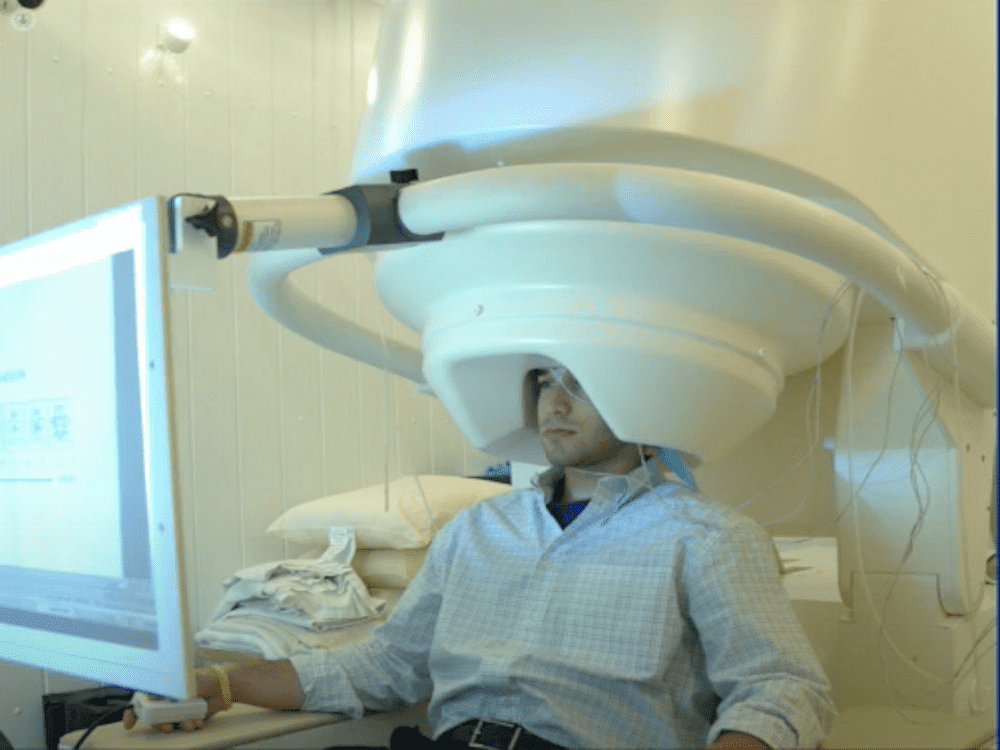
If you have been offered surgery, you are likely to go for an examination at a specialized center, where there are many different preoperative tests that must be passed before you can get permission for the operation.
The results of the preoperative tests will help your epileptologist decide what type of surgery you need and anticipate the result.
The doctor will inform you about the possible risks and benefits of surgery and you need to make a decision about the surgery.
Any brain intervention is a serious decision, and you may have many questions or concerns that you will want to discuss before you can make a decision. Doctors are used to this, so this is an important part of making a decision and preparing for surgery.
To provide you with a complete picture for making this decision, your doctor will explain to you the potential risks associated with the type of surgery you have chosen. Although your doctor can provide you with information and advice, the final decision is yours.
You may want to learn from the personal experience of people who have undergone epilepsy surgery.
Immediately after the surgery, doctors will monitor your recovery. In the first few days, you may feel very tired and sleepy, but this continues the effect of the anesthetic, which will completely disappear after a while.
Some patients develop seizures during the first week after brain surgery, but this does not mean that the operation was unsuccessful. Seizures after surgery may result from direct stress the brain feels during surgery, rather than because the person has a history of epilepsy.
How long you have to spend in the hospital will depend on the type of intervention you have undergone. Generally, doctors can expect you to return to your normal daily activities about six weeks after surgery. But this is very individual.
After surgery, most people go to doctors with questions about their recovery and judgment. You and your doctor will decide how often you need a consultation.
Before your surgery, your medical team will discuss with you the purpose of your surgery and how successful they think the surgery will be. For some people, “successful surgery” may mean the complete end of all attacks; for others, it may mean a decrease in the number or severity of attacks. It usually takes two years to fully assess how successful your operation has been.

At the Epilepsy Institute Clinic, Dr. Russi have achieved outstanding success in the treatment of epilepsy. About 70% of patients (7 out of 10 people) who underwent surgery on the temporal lobe report that after the operation the seizures stopped and they got rid of them, and in another 20% (1 out of 5 people) the seizures decrease. About 50% of patients (half) who have had temporal lobe surgery still have no attacks 10 years after surgery, but most of these people will continue to take their AEDs for a while.
And you can always talk to your epileptologist about when to start phasing out AEDs.


the service works from9:00 to 21:00no break and weekend